
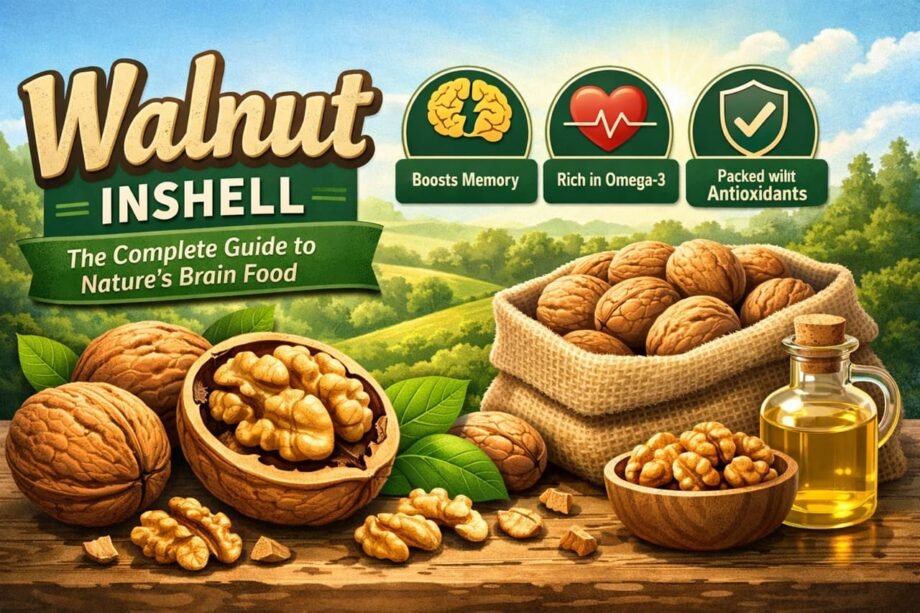
Introduction
When it comes to superfoods that have stood the test of time, walnut inshell holds a prestigious position in kitchens and wellness routines across the globe. These wrinkled, brain-shaped kernels protected inside a hard outer shell are not just a snack — they are a powerhouse of nutrition, antioxidants, and healthy fats that benefit nearly every system in the human body.
Whether you are a health enthusiast, a professional chef, or someone looking to make smarter dietary choices, understanding walnut inshell — what they are, why they matter, and how to use them — can genuinely transform your approach to eating well. In this comprehensive guide, we will cover everything you need to know about inshell walnuts.
What Are Inshell Walnuts?
Walnut inshell refers to walnuts that are sold and stored with their natural hard outer shell intact, as opposed to pre-shelled (shelled) walnuts. The shell acts as nature’s perfect packaging — protecting the delicate kernel inside from light, air, moisture, and contamination.
The most commonly consumed variety is the English walnut (Juglans regia), though black walnuts and white walnuts are also available. Inshell walnuts are harvested in autumn, dried to reduce moisture content, and then either sold whole or processed into shelled product.
Nutritional Profile of Walnut Inshell
A 28-gram (1 oz) serving of walnut kernels (from inshell walnuts) provides:
- Calories: 185 kcal
- Total Fat: 18.5g (including 13g polyunsaturated fats)
- Omega-3 Fatty Acids (ALA): 2.5g
- Protein: 4.3g
- Carbohydrates: 3.9g
- Dietary Fiber: 1.9g
- Magnesium: 44mg (11% DV)
- Phosphorus: 98mg (10% DV)
- Vitamin E: 0.2mg
- B Vitamins: B1, B6, Folate
Walnuts are one of the few plant-based complete protein sources and are especially prized for their high omega-3 content — something rare among nuts.
Why Choose Walnut Inshell Over Shelled Walnuts?
1. Superior Freshness
The shell acts as a natural barrier against oxidation. The healthy fats in walnuts, particularly omega-3s, are sensitive to air and light. An intact shell dramatically slows rancidity, ensuring you get the freshest, best-tasting walnut every time you crack one open.
2. Longer Shelf Life
Inshell walnuts can last up to 12 months when stored in a cool, dry place — compared to just 3-6 months for shelled walnuts kept at room temperature. This makes them a smarter bulk-buy option.
3. No Preservatives Needed
Because the shell protects the kernel so effectively, inshell walnuts require zero preservatives or additives. What you get is 100% natural.
4. Cost-Effective
Purchasing walnuts inshell is often more economical per kilogram of usable kernel than buying pre-shelled varieties, especially in bulk.
5. Interactive and Mindful Eating
Cracking open a walnut shell slows down the eating process, naturally supporting mindful eating and helping prevent overconsumption.
Top Health Benefits of Walnut Inshell
Brain Health
Walnuts are famously shaped like the human brain — and science confirms they are good for it too. Rich in DHA (a type of omega-3 fatty acid), polyphenols, and vitamin E, walnuts support cognitive function, memory, and may reduce the risk of neurodegenerative diseases like Alzheimer’s.
Heart Health
Multiple clinical studies confirm that regular walnut consumption lowers LDL (bad) cholesterol, reduces blood pressure, and decreases inflammation — three key risk factors for cardiovascular disease. The American Heart Association endorses walnuts as a heart-healthy food.
Anti-Inflammatory Properties
Chronic inflammation underlies many modern diseases. Walnuts contain powerful antioxidants including ellagitannins, melatonin, gamma-tocopherol, and polyphenols that actively combat oxidative stress and reduce systemic inflammation.
Weight Management
Despite being calorie-dense, research shows walnut consumption is associated with better weight management. Their combination of protein, fat, and fiber promotes satiety, reducing overall caloric intake throughout the day.
Gut Health
Walnuts act as a prebiotic, feeding beneficial gut bacteria. Studies show that regular walnut consumption increases Lactobacillus and Bifidobacterium populations — bacteria associated with improved digestive health and immunity.
Blood Sugar Control
The low glycemic load of walnuts, combined with their healthy fats and fiber, helps regulate blood sugar levels — making them an excellent snack for people managing or at risk of type 2 diabetes.
Bone Health
Walnuts are a good source of magnesium and phosphorus, both critical for maintaining bone density and preventing osteoporosis.
How to Crack Walnut Inshell
Cracking walnuts at home is simple with the right approach:
- Nutcracker Method: Place the walnut in a nutcracker and apply steady pressure at the seam. Ideal for getting whole kernels.
- Towel & Hammer: Wrap walnuts in a cloth and give them a firm tap with a hammer. Works well for larger quantities.
- Hand Pressure: Some varieties crack easily when two walnuts are pressed together in the palm.
- Oven Warming: Warming walnuts at 150°C for 10 minutes softens the shell slightly, making cracking easier.
Pro tip: Always crack along the natural seam for the best chance of extracting a whole kernel.
How to Store Walnut Inshell
- Room Temperature: Store in a cool, dry, dark place in a breathable container. Good for up to 12 months.
- Refrigerator: Extends shelf life up to 18 months.
- Freezer: Can be stored frozen for up to 2 years without significant loss of flavor or nutrition.
Avoid storing near strong-smelling foods as walnuts can absorb odors.
How to Use Walnuts in Cooking
- Snack as-is after cracking
- Add to salads for crunch and nutrition
- Blend into walnut butter or pesto
- Use in baking — breads, muffins, cakes, brownies
- Incorporate into breakfast — oatmeal, yogurt, granola
- Crush and use as a coating for meats or fish
- Chop and add to chutneys or pasta dishes
Selecting Quality Walnut Inshell
When buying walnut inshell, look for:
- Shells that are clean, intact, and free from cracks or holes
- A heavy weight relative to size — indicates a full, plump kernel inside
- A pleasant, mild, nutty aroma — not musty or rancid
- Uniform tan-brown color with no dark staining
Certified origin — Kashmiri, Californian, and Chilean walnuts are among the finest
Frequently Asked Questions (FAQ)
Q: What is walnut inshell?
A: Walnut inshell refers to whole walnuts that still have their hard outer shell intact. They are sold this way to preserve freshness and extend shelf life naturally without any preservatives.
Q: How long do walnut inshell last?
A: Stored in a cool, dry place, inshell walnuts last up to 12 months. In the refrigerator they last up to 18 months, and in the freezer up to 2 years.
Q: Are inshell walnuts better than shelled walnuts?
A: For freshness and shelf life, yes. The shell protects the kernel from oxidation, keeping the omega-3 fatty acids and antioxidants intact for much longer than shelled walnuts.
Q: How many walnuts should I eat per day?
A: A recommended serving is about 28 grams (roughly 7 whole walnuts or 14 halves) per day. This provides significant nutritional benefits without excessive calorie intake.
Q: Can diabetics eat walnuts?
A: Yes. Walnuts have a low glycemic index and help regulate blood sugar. They are considered an excellent snack option for people with type 2 diabetes, though portion control is important.
Q: Are walnut inshell organic?
A: That depends on the supplier. Always check for organic certification on the packaging if this is important to you. Many premium inshell walnut suppliers offer certified organic varieties.
Q: How do I know if an inshell walnut is fresh?
A: A fresh inshell walnut should be heavy for its size, smell mildly nutty, and produce a firm, cream-colored kernel when cracked. Avoid walnuts with hollow-sounding shells, dark staining, or a rancid smell.
Q: Can I eat the walnut skin (pellicle)?
A: Yes, and you should. The thin brown skin covering the kernel is rich in antioxidants and polyphenols. Removing it reduces the nutritional value significantly.