
Introduction
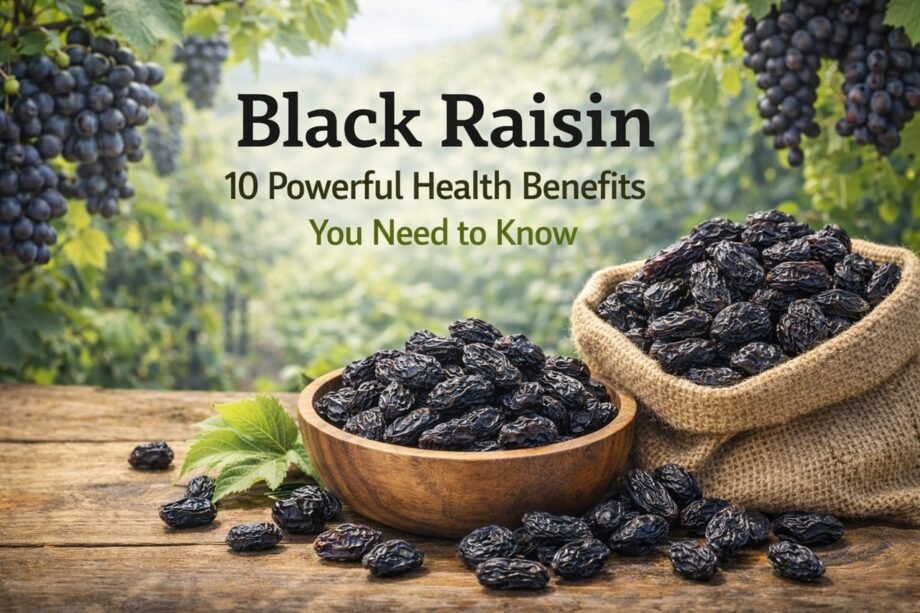
Black raisins — known as “kali kishmish” in Hindi — are one of the most ancient and revered superfoods in Ayurvedic medicine, Middle Eastern cuisine, and modern nutrition science. Made from dark-colored grape varieties that are sun-dried to a deep brown-black color, these intensely sweet, chewy fruits are a concentrated source of energy, antioxidants, vitamins, and minerals.
Unlike processed snacks, black raisins are completely natural, minimally processed, and loaded with compounds that science has linked to benefits ranging from improved cardiovascular health to clearer skin and better digestion. This guide covers everything you need to know about black raisins — from their impressive nutritional profile to the best ways to consume them.
What Are Black Raisins?
Black raisins are produced by naturally sun-drying dark grape varieties such as Black Corinth, Muscat, or Syrah grapes. The dehydration process concentrates the grape’s natural sugars, nutrients, and phytochemicals, resulting in a small but extraordinarily nutrient-dense food.
The drying process takes between 2-4 weeks in direct sunlight, during which the grapes turn from their original dark purple/red to a deep brown-black color. Unlike golden raisins, black raisins typically contain no added sulfites or preservatives, making them a cleaner choice for health-conscious consumers.
Nutritional Value of Black Raisins
Per 100g serving of black raisins:
- Calories: 302 kcal
- Carbohydrates: 80g (Natural sugars: 60g)
- Protein: 3.3g
- Dietary Fiber: 4.5g
- Iron: 2.3mg (13% DV)
- Potassium: 825mg (24% DV)
- Calcium: 50mg (5% DV)
- Magnesium: 35mg (9% DV)
- Copper: 0.3mg (15% DV)
- Vitamin B6: 0.2mg
- Antioxidants: Resveratrol, Quercetin, Anthocyanins, Catechins
Black raisins are notably higher in anthocyanins (the dark pigment antioxidants) compared to other raisin varieties, giving them an extra edge in anti-inflammatory and anti-cancer potential.
10 Powerful Health Benefits of Black Raisins
1. Natural Iron Supplement
Black raisins are one of the best plant-based sources of dietary iron. Iron is essential for the production of hemoglobin — the protein in red blood cells that carries oxygen throughout the body. Regular consumption of black raisins can help prevent and treat iron-deficiency anemia, particularly in women, children, and vegetarians.
2. Exceptional Heart Health
The combination of potassium (natural blood pressure regulator), fiber (cholesterol reducer), polyphenols (anti-inflammatory), and resveratrol (arterial health) makes black raisins a comprehensive heart health food. Studies have shown that raisin consumption is associated with reduced blood pressure and lower total cholesterol levels.
3. Powerful Antioxidant Protection
Black raisins contain some of the highest antioxidant levels among common dried fruits. Anthocyanins, quercetin, and resveratrol work synergistically to neutralize free radicals — unstable molecules that damage cells, accelerate aging, and contribute to chronic diseases including cancer.
4. Digestive Health and Constipation Relief
The high fiber content in black raisins absorbs water and adds bulk to stool, promoting regular bowel movements. Tartaric acid in raisins also has a natural laxative effect. Soaking black raisins overnight and consuming them with the water each morning is a time-tested Ayurvedic remedy for constipation and digestive issues.
5. Liver Detoxification
Black raisin water (water in which raisins have been soaked overnight) has been studied for its liver-cleansing properties. Research suggests it stimulates the liver’s biochemical processes, helping the organ filter blood more efficiently and eliminate toxins. This is why black raisin water is a popular morning detox drink in Ayurveda.
6. Natural Energy Booster
Athletes and fitness enthusiasts have long used raisins as a natural performance food. Black raisins provide quick-release glucose and fructose for immediate energy, along with B vitamins for metabolism support. Studies have found them to be as effective as commercial energy gels for endurance performance.
7. Bone Health
Black raisins contain boron, calcium, and potassium — a trio of bone-supportive nutrients. Boron in particular is crucial for calcium absorption and bone metabolism. Regular consumption may help maintain bone density and reduce the risk of osteoporosis in postmenopausal women.
8. Skin Health and Anti-Aging
The antioxidants in black raisins protect skin cells from oxidative stress, UV damage, and premature aging. Resveratrol has been shown to inhibit the growth of damaged skin cells while stimulating collagen production. Many naturopaths recommend black raisins as a natural skin supplement for a clearer, more youthful complexion.
9. Blood Sugar Management
Despite their sweetness, black raisins have a moderate glycemic index (around 64) and contain compounds that may actually improve insulin sensitivity. A study published in the journal Nutrition Research found that consuming raisins three times daily significantly reduced postprandial glucose levels compared to processed snacks.
10. Oral Health
Black raisins contain oleanolic acid, a phytochemical shown to inhibit Streptococcus mutans and Porphyromonas gingivalis — the bacteria responsible for tooth decay and gum disease respectively. Contrary to the myth that raisins damage teeth, research suggests they may actually improve oral health when consumed as part of a balanced diet.
Best Ways to Consume Black Raisins
Soaked Black Raisins (Most Recommended)
Soak 15-20 black raisins in half a cup of water overnight. In the morning, consume both the raisins and the soaking water on an empty stomach. This method enhances iron bioavailability and maximizes the liver-detoxifying benefits.
Mixed with Nuts
Combine black raisins with almonds, walnuts, or cashews for a balanced snack that provides protein, healthy fats, and natural sugars in one.
In Cooking
Add to biryanis, desserts, cakes, bread pudding, oatmeal, smoothies, salads, and traditional halwas for natural sweetness and added nutrition.
Who Should Be Cautious?
- Diabetics: Consume in small portions and monitor blood sugar responses
- People with IBS: High fructose content may cause discomfort in some individuals
- Those on blood thinners: Vitamin K in raisins may interact with warfarin
- Children under 2: Raisins pose a choking hazard — always supervise consumption
Frequently Asked Questions (FAQ)
Q: What are black raisins?
A: Black raisins are naturally sun-dried dark grape varieties (such as Black Corinth or Muscat) that have been dehydrated to produce a deep brown-black colored, sweet, chewy dried fruit rich in antioxidants and iron.
Q: What is the benefit of soaking black raisins in water overnight?
A: Soaking enhances iron bioavailability, activates natural enzymes, makes the raisins easier to digest, and produces a nutrient-rich soaking water that supports liver detoxification and digestive health when consumed on an empty stomach.
Q: How many black raisins should I eat per day?
A: A serving of 25-40 grams (about 30-40 raisins) per day is recommended for most healthy adults. Those monitoring blood sugar should stick to the lower end of this range.
Q: Are black raisins good for hair?
A: Yes. The iron, vitamin C, and antioxidants in black raisins support scalp blood circulation, strengthen hair follicles, and may help reduce hair fall caused by iron deficiency or oxidative stress.
Q: Are black raisins and black currants the same?
A: No. Black raisins are dried grapes, while black currants are a completely different berry (Ribes nigrum). Both are nutritious but have different flavors, textures, and nutritional profiles.
Q: Can I eat black raisins during pregnancy?
A: Yes, black raisins are excellent during pregnancy due to their iron, fiber, and calcium content which support fetal development and prevent maternal anemia. Always consult your doctor for personalized advice.
Q: Do black raisins cause tooth decay?
A: Research suggests black raisins actually contain compounds (oleanolic acid) that inhibit cavity-causing bacteria. However, like all sweet foods, rinsing your mouth after eating raisins is good practice.
Q: What is the difference between black raisins and regular brown raisins?
A: Black raisins come from darker grape varieties and have higher anthocyanin content, giving them deeper color and more potent antioxidant properties. Regular brown raisins come from lighter grape varieties and tend to be softer and slightly milder in flavor.
Experience the ancient power of premium black raisins, hand-selected from the finest orchards. No preservatives, no sulfites — just pure, natural nutrition in every handful. Shop now for the best quality kali kishmish delivered to your door.