
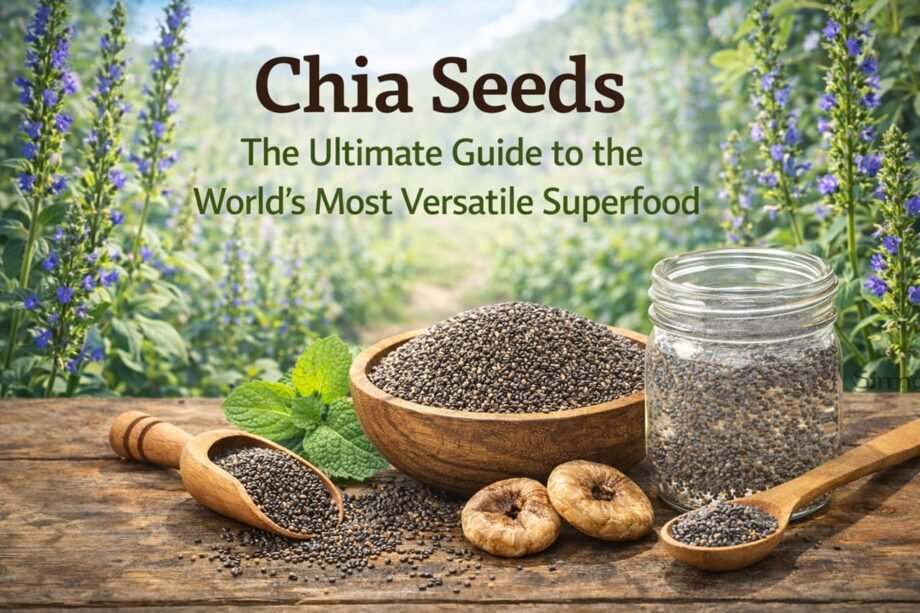
Introduction
Few foods have captured the world’s attention quite like chia seeds. These tiny, oval seeds — measuring just 1-2mm in diameter — pack a nutritional punch that rivals almost any food on the planet. Once a staple crop of the ancient Aztec and Mayan civilizations, chia seeds (Salvia hispanica) have made a spectacular comeback in modern health and wellness culture, and for very good reason.
From world-class athletes to nutritionists, health coaches, and home cooks, chia seeds have become the go-to superfood for those seeking a simple, versatile, and science-backed nutritional boost. In this comprehensive guide, we will explore everything about chia seeds — their history, nutrition, health benefits, uses, and more.
What Are Chia Seeds?
Chia seeds come from Salvia hispanica, a flowering plant in the mint family, native to Mexico and Guatemala. The word “chia” comes from the ancient Mayan word for “strength” — a fitting name for a seed that Aztec warriors reportedly consumed to fuel entire days of battle and long-distance running.
Chia seeds are small, oval-shaped seeds that can be black, white, or grey with small dark spots. Nutritionally, there is no significant difference between black and white chia seeds. When exposed to liquid, chia seeds develop a characteristic gel coating (due to soluble fiber) that makes them unique among seeds and enables many of their health benefits.
Exceptional Nutritional Profile of Chia Seeds
Per 28g (1 oz) serving of chia seeds:
- Calories: 138 kcal
- Protein: 4.7g (complete protein with all essential amino acids)
- Total Fat: 8.7g (including 5g omega-3 ALA)
- Carbohydrates: 12g
- Dietary Fiber: 9.8g (35% of DV in one serving)
- Calcium: 177mg (18% DV — more than dairy milk per gram)
- Phosphorus: 265mg (27% DV)
- Magnesium: 95mg (24% DV)
- Manganese: 0.6mg (30% DV)
- Zinc: 1mg (7% DV)
- Vitamin B1 (Thiamine): 0.18mg (12% DV)
- Antioxidants: Quercetin, Kaempferol, Chlorogenic acid, Caffeic acid
Notably, chia seeds are one of the richest plant-based sources of omega-3 fatty acids in the world. A single 28g serving provides more omega-3 than most fish servings. They are also a rare plant food that provides a complete protein profile.
10 Science-Backed Health Benefits of Chia Seeds
1. World’s Best Plant-Based Omega-3 Source
The omega-3 fatty acid ALA (alpha-linolenic acid) in chia seeds is one of the most potent plant-based omega-3s available. Omega-3s are critical for brain function, heart health, inflammation reduction, and cellular membrane integrity. For vegans, vegetarians, and those who don’t eat fish, chia seeds provide an invaluable omega-3 source.
2. Outstanding Digestive Health
One serving of chia seeds provides nearly 40% of the recommended daily fiber intake. The soluble fiber forms a thick gel in the gut, slowing digestion, feeding beneficial bacteria, and regulating bowel movements. This makes chia seeds extraordinarily effective for preventing constipation, reducing bloating, and supporting a healthy microbiome.
3. Superior Bone Nutrition
Chia seeds are more calcium-rich per gram than dairy milk. But their bone-building power extends beyond calcium — they also provide magnesium (essential for calcium absorption), phosphorus (structural component of bone), and manganese (needed for bone matrix synthesis). Regular chia seed consumption provides comprehensive, dairy-free bone support.
4. Blood Sugar Regulation and Diabetes Management
The gel-forming fiber in chia seeds acts as a physical barrier in the gut, slowing the digestion of carbohydrates and the absorption of sugar into the bloodstream. Multiple clinical trials have demonstrated that chia seed consumption reduces post-meal blood sugar spikes and improves insulin sensitivity — making them particularly beneficial for people with or at risk of type 2 diabetes.
5. Heart Health and Cholesterol
Chia seeds provide a triple cardiovascular benefit: the omega-3 fatty acids reduce inflammation and triglycerides; the soluble fiber lowers LDL cholesterol and blood pressure; and the antioxidants prevent oxidative damage to arterial walls. Research published in the Journal of Nutritional Biochemistry found that chia seed consumption significantly reduced several cardiovascular risk factors.
6. Weight Management and Appetite Control
When chia seeds absorb water (up to 10-12 times their weight), they expand significantly, creating a physical sense of fullness in the stomach. Their combination of protein, fat, and fiber delays gastric emptying and reduces appetite, naturally lowering caloric intake without calorie restriction. This makes them a powerful and gentle tool for weight management.
7. Powerful Antioxidant Protection
Chia seeds contain more antioxidants per gram than blueberries — often cited as the antioxidant gold standard. The primary antioxidants — quercetin, kaempferol, chlorogenic acid, and caffeic acid — protect against oxidative stress, reduce inflammation, and have demonstrated anti-cancer properties in laboratory studies.
8. Complete Plant Protein
Chia seeds are one of the few plant foods that provide all nine essential amino acids, making them a complete protein. This is particularly valuable for vegans, vegetarians, and athletes seeking plant-based protein sources. The protein in chia seeds supports muscle repair, immune function, and the production of enzymes and hormones.
9. Hydration and Athletic Performance
Aztec warriors consumed chia seeds mixed with water before long journeys and battles — and modern sports science explains why. Chia seeds hold up to 12 times their weight in water, creating a slow-release hydration effect. Athletes who consume chia seeds maintain better electrolyte balance and hydration during endurance exercise compared to those using conventional sports drinks.
10. Anti-Inflammatory and Anti-Aging
Chronic inflammation accelerates aging and drives disease. The omega-3 fatty acids in chia seeds are converted to anti-inflammatory prostaglandins in the body, while the antioxidants directly neutralize inflammatory free radicals. Regular chia seed consumption has been associated with reduced levels of CRP (C-reactive protein) — the primary blood marker of systemic inflammation.
How to Eat Chia Seeds: Complete Guide
Method 1: Chia Pudding (Most Popular)
Mix 3 tablespoons of chia seeds with 1 cup of milk (dairy or plant-based). Stir well and refrigerate for at least 4 hours or overnight. Top with fresh fruit, nuts, honey, or granola. The seeds will absorb the liquid and form a thick, creamy pudding-like consistency.
Method 2: Added to Smoothies
Add 1-2 tablespoons of chia seeds directly to smoothies. They will not significantly change the texture but will massively boost the nutritional content. Blend well for a smoother result.
Method 3: Sprinkled on Food
Sprinkle raw chia seeds on yogurt, oatmeal, salads, soups, or breakfast bowls for an immediate nutritional upgrade with minimal impact on taste.
Method 4: Chia Egg (Vegan Baking)
Mix 1 tablespoon of chia seeds with 3 tablespoons of water. Let sit for 5 minutes until it forms a gel. This chia egg works as a perfect vegan substitute for one egg in most baking recipes.
Method 5: Chia Water / Chia Fresca
Stir 1-2 tablespoons of chia seeds into a glass of water with lemon juice and a touch of honey. Let sit for 10 minutes and drink. This traditional Mexican drink (chia fresca) is an excellent hydrating, fiber-rich beverage.
Method 6: Added to Baked Goods
Incorporate chia seeds into bread, muffins, pancakes, cookies, and energy bars for added nutrition and a pleasing texture. Use up to 2 tablespoons per recipe without affecting taste.
Chia Seeds Storage Tips
- Store in an airtight container away from direct sunlight
- Room temperature storage is fine for up to 2 years (chia seeds are naturally high in antioxidants that prevent rancidity)
- Refrigerator storage extends shelf life further
- Ground chia seeds should be used within a few weeks due to faster oxidation
- Check for rancidity by smelling — fresh chia has virtually no odor
Black vs White Chia Seeds: Is There a Difference?
Nutritionally, black and white chia seeds are virtually identical. The difference is purely aesthetic. Some people prefer white chia seeds in light-colored recipes (like vanilla pudding or cream-based sauces) to maintain visual appeal. There is no meaningful difference in taste, texture, or nutritional value.
Frequently Asked Questions (FAQ)
Q: How much chia seeds should I eat per day?
A: The generally recommended serving is 1-2 tablespoons (15-30g) per day. This provides significant nutritional benefits without excessive calories. If you are new to chia seeds, start with 1 tablespoon and gradually increase to allow your digestive system to adapt to the high fiber content.
Q: Do chia seeds need to be soaked before eating?
A: No, chia seeds can be eaten raw and dry. However, soaking them (in water, milk, or juice) activates the gel-forming fiber and makes them easier to digest, and enhances nutrient bioavailability. Dry chia seeds can absorb water from your body, so always drink plenty of water if consuming them dry.
Q: Are chia seeds good for weight loss?
A: Yes, chia seeds support weight loss through multiple mechanisms: expanding in the stomach to create satiety, slowing digestion to reduce hunger, providing high-quality nutrition that reduces cravings, and supporting stable blood sugar levels that prevent overeating.
Q: Can chia seeds be eaten every day?
A: Yes, chia seeds are safe for daily consumption. In fact, regular daily consumption produces the most consistent health benefits. Most health professionals recommend making them a permanent part of your daily diet.
Q: Are chia seeds good for hair and skin?
A: Yes. The omega-3 fatty acids, protein, zinc, and antioxidants in chia seeds nourish hair follicles, support scalp health, reduce inflammation-related hair loss, and protect skin from oxidative damage and premature aging.
Q: Do chia seeds cause any side effects?
A: For most people, chia seeds are well tolerated. Some people may experience digestive discomfort (bloating, gas) when first adding them to their diet, especially in large amounts. Starting with a smaller amount and increasing gradually, while drinking plenty of water, prevents most side effects.
Q: Are chia seeds safe during pregnancy?
A: Chia seeds are generally considered safe and beneficial during pregnancy due to their omega-3, calcium, iron, and fiber content. However, the high fiber can cause digestive discomfort in some pregnant women. Consult your doctor before adding any new food regularly during pregnancy.
Q: How do chia seeds compare to flaxseeds?
A: Both are excellent omega-3-rich seeds, but they differ in several ways. Chia seeds don’t need to be ground to absorb nutrients (flaxseeds often do). Chia seeds have more calcium, more fiber, and superior hydration properties. Flaxseeds have more lignans (specific plant estrogens). Both are excellent choices and many nutritionists recommend rotating between them.
Our premium chia seeds are sourced from certified organic farms, triple-cleaned, and packed fresh to preserve maximum nutritional potency. Black or white, our chia seeds deliver world-class quality in every spoonful. Order today and start your superfood journey.